Apple’s J595 robot project faces team shrinkage and high price hurdles
Reports indicate a small robotics team is building an AI-driven home device that may cost over $1,000 and launch as late as 2028.
Key points
- CEO John Ternus supports the J595 project despite a small core team of ten roboticists.
- The device aims to support FaceTime and light control with a potential 2027 or 2028 launch.
- Engineers are trying to expand capabilities to justify the high price tag.
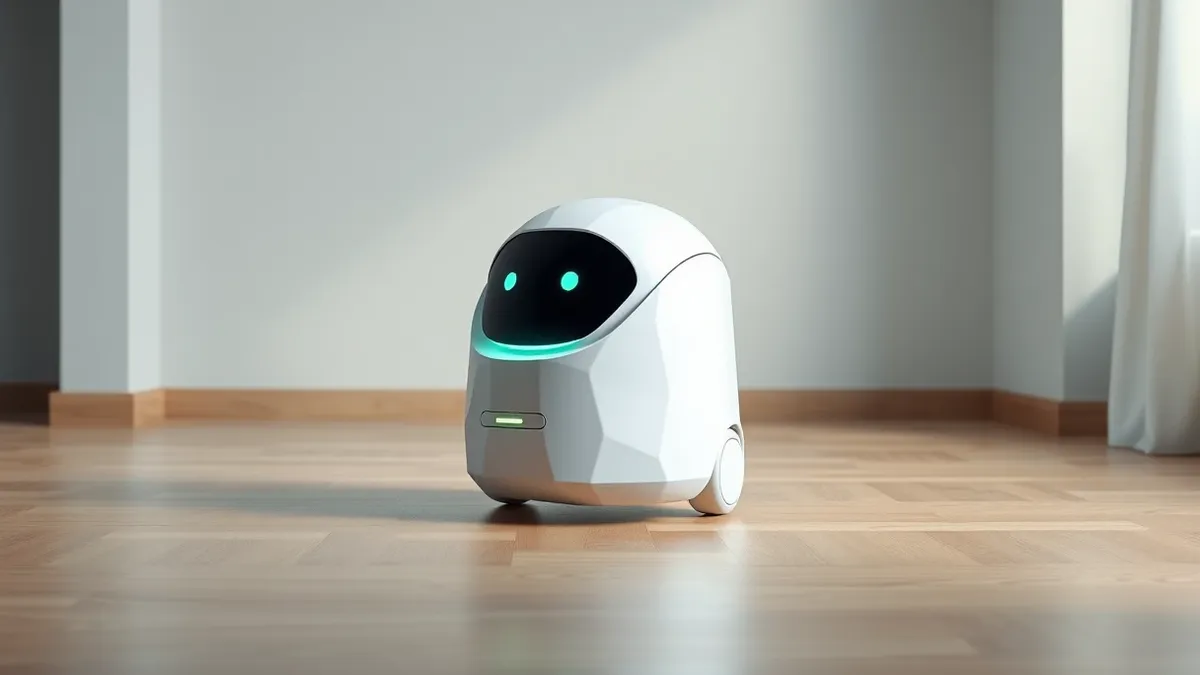
Apple’s development of an autonomous home robot, code-named J595, continues under new CEO John Ternus, according to a report by Ars Technica citing The Information.reported The device is designed to roam autonomously while handling FaceTime calls and adjusting lighting when people enter rooms.Apple is building a robot that moves around your house to make video calls and control lights.The J595 project leverages a large software team to compensate for a minimal core robotics staff.
Evidence: reported
Coming in 2027: Apple’s $1,000 home robot for FaceTime and switching on lightsaifleet-ars
What changed
The Information reported that Apple aims to launch the product by 2027, though delays could push this to 2028.reported The robot may be named HomeView Ultra, aligning with the company’s stationary smart display line. Former CEO Tim Cook originally approved the project when prototypes emerged in 2018.reported
Evidence: reported
Coming in 2027: Apple’s $1,000 home robot for FaceTime and switching on lightsaifleet-ars
Evidence: reported
Coming in 2027: Apple’s $1,000 home robot for FaceTime and switching on lightsaifleet-ars
How it works
The AI-driven unit uses software refined over several years to incorporate advanced technologies. Engineers are attempting to expand capabilities beyond simple video calling to justify the hardware’s complexity. The system reportedly includes features like automatically switching on lights and potentially issuing commands to pets.
What the evidence means
Ars Technica noted that the reported features appear limited compared to existing smart home systems or robot vacuums.reported The small team of ten true roboticists contrasts with a larger software group of approximately 300 people. Many initial engineers have left the project over the years.
Evidence: reported
Coming in 2027: Apple’s $1,000 home robot for FaceTime and switching on lightsaifleet-ars
Cost and market position
The Information stated the robot could carry a price tag of $1,000 or more.reported This pricing strategy relies on engineers delivering unique capabilities that standard devices lack. The high cost raises questions about market demand for a roaming device with features like light control and video calling.
Evidence: reported
Coming in 2027: Apple’s $1,000 home robot for FaceTime and switching on lightsaifleet-ars
Why it matters
- Product teams must evaluate whether premium pricing is sustainable for devices with overlapping smart home functions.
- The small core team of ten roboticists contrasts with a larger software group of 300 people.
- Launch timelines may shift from 2027 to 2028 due to potential development delays.
- Ars Technica questioned if a market exists for a $1,000 device with features like light control.
Topics: robotics, Apple, smart home, AI hardware, product development
Updated
Then / now / next
Tim Cook approved early prototypes of the home robot project in 2018.
John Ternus is backing the development of the J595 device with a small core team.
Watch for official announcements regarding the HomeView Ultra name and 2027 launch window.
Story timeline
- Then Tim Cook approved early prototypes of the home robot project in 2018.
- 02 Nov 2026 Coming in 2027: Apple’s $1,000 home robot for FaceTime and switching on lights
- Now John Ternus is backing the development of the J595 device with a small core team.
- Next Watch for official announcements regarding the HomeView Ultra name and 2027 launch window.
The strongest doubt
Counterpoint from the sources
Ars Technica questioned whether a $1,000 device with limited features has a viable market against cheaper smart home alternatives.
Ask the article
Local keyword search of this article; no generated answers.Did this article give you the evidence you needed?
Your choice stays on this device. No public tally.Terms in this story
J595
The internal code name for Apple’s autonomous home robot project.
HomeView Ultra
The potential commercial name for the robot, aligning with Apple’s smart displays.
Roboticists
Engineers specializing in the design and control of physical robots.
Questions readers ask
What is the expected launch date for Apple’s home robot?
The Information reports a possible 2027 launch, with potential delays pushing it to 2028.
How many roboticists are working on the project?
Sources told The Information there are about ten true roboticists on the team.
What features does the J595 robot support?
It is designed for autonomous roaming, FaceTime calls, and automatic light switching.
Connected stories
Reading receipt
- CEO John Ternus supports the J595 project despite a small core team of ten roboticists.
- The device aims to support FaceTime and light control with a potential 2027 or 2028 launch.
- Engineers are trying to expand capabilities to justify the high price tag.
Still open: Will the robot include manipulator arms for tasks like folding clothes?
Still open: How will Apple address safety concerns for autonomous devices near humans?